
A practical look at the trends reshaping European manufacturing in 2026, from electrification and automation to skills shortages and supply chain strategy, and what they mean for businesses hiring specialist talent.
European manufacturing trends in 2026 point to cautious recovery, but recovery is not the same as stability. Global instability continues to create headwinds that no European manufacturer can fully plan around.
After years of supply chain disruption, inflation, and geopolitical uncertainty, manufacturers are refocusing on efficiency, automation, and long-term resilience. For businesses hiring in this environment, understanding what is driving change on the factory floor is not optional. It is fundamental to making the right decisions about people, process, and investment.
Machine tools sit at the centre of this transition. From automotive and aerospace to precision chemicals, personal care manufacturing, and medical devices, machining capability determines how quickly a business can adapt to new materials, tighter tolerances, and shifting production volumes. Here is what is shaping the sector in 2026.
The move from internal combustion engines to electric vehicles continues to transform machining requirements across Europe. Battery housings, motor casings, and structural aluminium components demand different processes compared with traditional engine parts. Manufacturers that once specialised in cylinder heads or gearbox components are retooling for lightweight alloys and complex geometries, and the skills required to do that work are not the same.
This is creating real pressure on hiring. The engineers who can machine aluminium and titanium to EV specification, programme multi-axis centres for complex part profiles, and optimise tooling strategies for new materials are in short supply. Demand is outpacing availability across much of Europe.
Electrification is not limited to automotive. It is reshaping the machining ecosystem for anyone supplying into that supply chain, including chemical and materials businesses producing lubricants, coatings, and metalworking fluids for EV-specific applications.
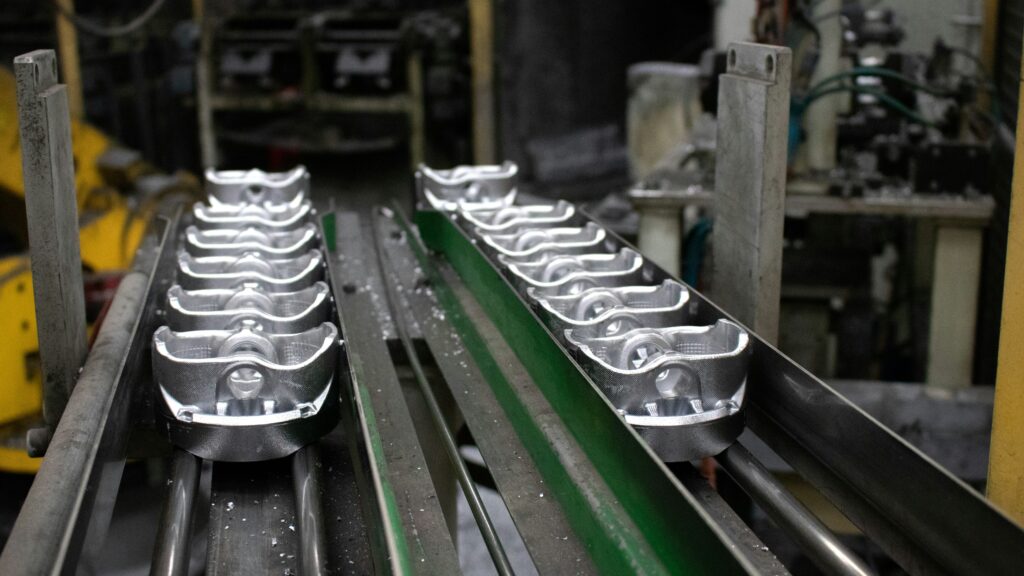
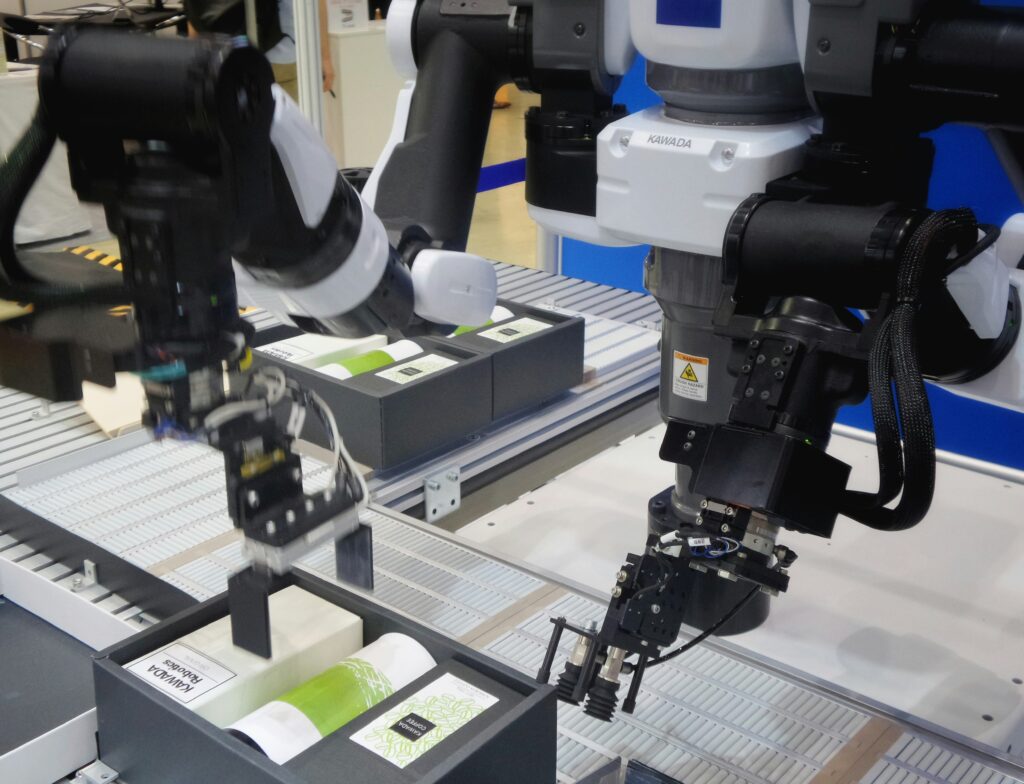
The European factory automation market is expected to reach $69.3 billion in 2026, driven by demand for robotics, machine vision and advanced control systems.
Labour shortages and cost pressures are accelerating adoption of robotic machining cells, automated pallet systems, and lights-out production environments. What was once a competitive advantage is becoming a baseline requirement. Companies across Europe are investing heavily in factory automation technologies to maintain productivity and remain competitive.
The result is a growing need for people who can work across mechanical and digital disciplines simultaneously. Maintenance Engineers who understand both servo systems and software. Process Managers who can read production data as fluently as they read a drawing. Automation Specialists who can commission a cell and keep it running.
Businesses that cannot attract this kind of talent are finding it harder to justify investment in automation in the first place.
Industry 4.0 has been a fixture of manufacturing conversations for over a decade. What has changed is the scale of implementation. Across Europe, industrial IoT systems, digital twins, and advanced analytics are moving out of pilot programmes and into daily production operations.
Manufacturers are using these tools to simulate environments, optimise processes in real time, and predict equipment failures before they cause downtime. The people managing these systems need hybrid skill sets that combine traditional engineering knowledge with data literacy and systems thinking.
For manufacturers in chemicals and precision engineering, where process consistency and regulatory compliance are non-negotiable, this shift is particularly significant. Connected production systems mean better traceability, fewer deviations, and faster response when something goes wrong.
Artificial intelligence is beginning to play a practical, measurable role in manufacturing. AI-driven systems can analyse production data in real time, support quality control decisions, flag anomalies before they become defects, and improve scheduling and throughput planning.
Recent industry surveys indicate that a significant majority of European manufacturers are planning further AI investment over the coming years, with confidence in the technology’s commercial value growing steadily. The more important question for most businesses is not whether to adopt AI, but who will implement it, manage it, and integrate it with existing engineering and operational teams.
That is a hiring question as much as a technology question.
The just-in-time model that dominated manufacturing supply chains for decades has been fundamentally tested. Manufacturers across Europe are shifting toward strategies that prioritise flexibility and regional stability, with nearshoring, strategic inventory buffers, and closer supplier relationships becoming standard practice.
For businesses in chemicals, metalworking fluids, and advanced materials, this means procurement and supply chain professionals with genuine category expertise are more valuable than ever.
Understanding the technical specifications of what you are buying and selling is no longer secondary to commercial skills. It is central to the role.

Environmental compliance is reshaping how manufacturing operations are designed and procured. European manufacturers are investing in energy-efficient machining centres, advanced coolant and fluid management systems, and process optimisation tools that reduce scrap and waste.
New EU sustainability targets are also stimulating demand for machining capability in renewable energy infrastructure, including wind turbine components and solar mounting systems. For personal care and chemical manufacturers, sustainability now influences formulation, packaging, and production process decisions simultaneously.
Businesses that can recruit people who understand both the regulatory framework and the engineering or chemistry behind it are the ones who will move fastest.
Technology adoption is running ahead of workforce development in almost every area of manufacturing. Automation, robotics, digital manufacturing systems, and AI-enabled tools all require capabilities that the current talent pipeline is not producing at sufficient scale.
The most acute shortages are being felt at the intersection of disciplines. Engineers who can programme and maintain CNC machines and interpret production analytics. Technicians who understand both the chemistry of a metalworking fluid and the machining process it supports. Sales engineers who can translate complex technical specifications into commercial conversations.
These are not generalist roles. They require deep sector knowledge, and finding people who have it takes a different kind of search.
Despite structural change across global manufacturing, Europe continues to hold a strong position in high-precision engineering. Aerospace, medical technology, advanced machinery, and precision chemicals all demand machining accuracy at micron level, combined with process reliability that generalist manufacturers cannot replicate.
Advanced CNC technologies remain essential to achieving the tight tolerances required by these industries. As components become smaller, lighter, and more technically demanding, that capability becomes a harder advantage to acquire and a more important one to protect. Hiring the right people to maintain it is not a secondary concern. It is the work itself.
At Witan Search, we recruit across chemical, manufacturing, and personal care sectors, placing specialists in technical, commercial, and operational roles across Europe. If you are hiring in a market where the right skills are genuinely hard to find, we should talk.